
CBD oil has become a popular wellness choice for people looking to manage stress, improve sleep, or support everyday balance. But many users walk away disappointed, thinking, “CBD doesn’t work for me.” In reality, CBD often fails to deliver results because of how it’s used, not because it’s ineffective.
If you’ve tried CBD oil and didn’t notice any benefits, this guide will help you understand why. Below, we break down the most common mistakes people make with CBD oil and how to fix them so you can get the best possible experience.
Understanding How CBD Oil Actually Works
Before diving into mistakes, it’s important to set realistic expectations. CBD works by interacting with the endocannabinoid system (ECS), which helps regulate mood, sleep, stress response, and overall balance.
CBD does not act like a painkiller or sleeping pill with instant, dramatic effects. For many people, the benefits are subtle and gradual, especially when used for general wellness. Expecting instant or extreme results is often the first reason people think CBD isn’t working.
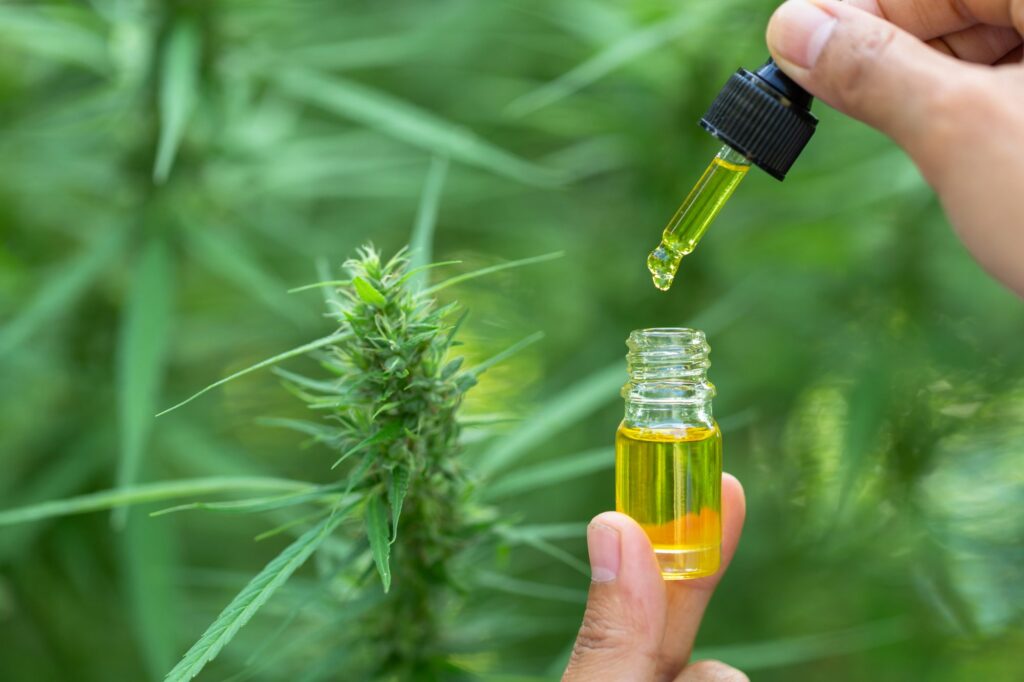
Mistake 1: Taking the Wrong CBD Dosage
One of the most common reasons CBD oil doesn’t work is incorrect dosing. Taking too little may not produce noticeable effects, while taking too much can reduce effectiveness or cause discomfort.
Everyone’s body responds differently to CBD based on weight, metabolism, and purpose of use. There is no universal “perfect dose.”
How to Fix It
Start with a low dose and increase gradually over several days. Track how you feel and adjust slowly. Consistency matters more than taking a large amount once.
Mistake 2: Not Using CBD Consistently
CBD is not always a one-time solution. Many people try CBD oil for a day or two and quit when they don’t feel immediate results.
For wellness support, CBD often works best when used regularly over time, allowing it to build up in the system and support balance.
How to Fix It
Use CBD oil daily for at least one to two weeks before judging its effectiveness. Think of it as part of a routine, not a quick fix.
Mistake 3: Expecting CBD to Feel Like THC
Some users believe CBD should create a noticeable mental or physical sensation. When that doesn’t happen, they assume it’s not working.
CBD is non-intoxicating and does not produce a “high.” Its effects are usually gentle, such as feeling calmer, more relaxed, or sleeping better over time.
How to Fix It
Instead of waiting for a strong feeling, observe subtle changes in your daily life. Are you sleeping more consistently? Feeling less tense? These small improvements are often how CBD works.
Mistake 4: Using Low-Quality or Fake CBD Oil
Not all CBD products are created equal. Many low-quality or fake CBD oils contain little to no actual CBD, misleading labels, or poor extraction methods.
If the product itself is ineffective, no dosage or routine will help.
How to Fix It
Choose CBD oil that is:
- Third-party lab tested
- Clearly labeled with CBD content
- Transparent about ingredients
- From a reputable brand
Always check for a Certificate of Analysis (COA) before buying.
Mistake 5: Choosing the Wrong Type of CBD Oil
CBD oil comes in different forms, and using the wrong one can affect results.
- Full-spectrum CBD contains CBD plus other cannabinoids, including trace THC
- Broad-spectrum CBD contains multiple cannabinoids but no THC
- CBD isolate contains only CBD
Some people respond better to one type than another.
How to Fix It
If CBD isolate isn’t working, consider trying broad-spectrum or full-spectrum CBD, which may provide better results due to the “entourage effect,” where cannabinoids work together.
Mistake 6: Taking CBD Incorrectly
How you take CBD oil matters. Many people swallow it immediately, which reduces absorption and effectiveness.
How to Fix It
For CBD oil:
- Place drops under the tongue
- Hold for 30–60 seconds
- Swallow afterward
This method allows CBD to absorb directly into the bloodstream, making it more effective than swallowing right away.
Mistake 7: Not Matching CBD to Your Goal
CBD is used for different purposes, but one product or dose may not suit every need. Using the same approach for stress, sleep, or general wellness may lead to disappointing results.
How to Fix It
Be clear about your goal:
- For daytime calm: lower doses
- For sleep support: slightly higher evening doses
- For daily balance: consistent moderate dosing
Adjust timing and strength based on what you want to support.
Mistake 8: Interactions With Lifestyle or Medications
Lifestyle factors like high stress, poor sleep habits, or inconsistent routines can reduce the noticeable effects of CBD. Additionally, some medications may interact with CBD, affecting how it works.
How to Fix It
CBD works best as part of a healthy routine. Maintain regular sleep, hydration, and stress management practices. If you take medications, consult a healthcare professional before using CBD regularly.
Mistake 9: Giving Up Too Soon
CBD is not always dramatic or fast-acting. Many users stop using it just before it would have started working for them.
How to Fix It
Give CBD time. Use it consistently, track your experience, and adjust slowly. Patience is key when it comes to natural wellness supplements.
How to Tell If CBD Is Actually Working
Instead of asking, “Do I feel something right now?” ask:
- Am I sleeping better than before?
- Do I feel slightly calmer during the day?
- Is my routine more balanced overall?
CBD often supports wellness quietly in the background rather than making a loud entrance.
A Soft Note on Long-Term Value
When CBD works well, its benefits tend to show up in small daily moments—better rest, calmer reactions, more balance. These subtle improvements often become more meaningful over time, especially when captured in everyday memories and routines that last longer than quick fixes.
Read Also : The Endocannabinoid System Explained: How CBD Supports Balance and Wellbeing
Final Thoughts
If CBD oil isn’t working for you, it doesn’t mean CBD itself is ineffective. In most cases, the issue lies with dosage, consistency, quality, or expectations. By avoiding common mistakes and using CBD mindfully, many people discover that it supports wellness in ways they didn’t initially notice.
CBD works best when approached with patience, awareness, and realistic goals—small changes often lead to meaningful results over time.