
Introduction
CBD oil has become one of the most talked-about natural wellness products in recent years. Whether it’s being used for stress relief, better sleep, or general well-being, more people are turning to CBD as a plant-based alternative to traditional solutions. Yet, for beginners, navigating the world of CBD oil can feel overwhelming. From understanding what it actually is to knowing how to use it safely, there’s a lot to learn before getting started.
This guide breaks down everything you need to know about CBD oil in a beginner-friendly way, helping you make informed choices before trying it for the first time.
What Is CBD Oil?
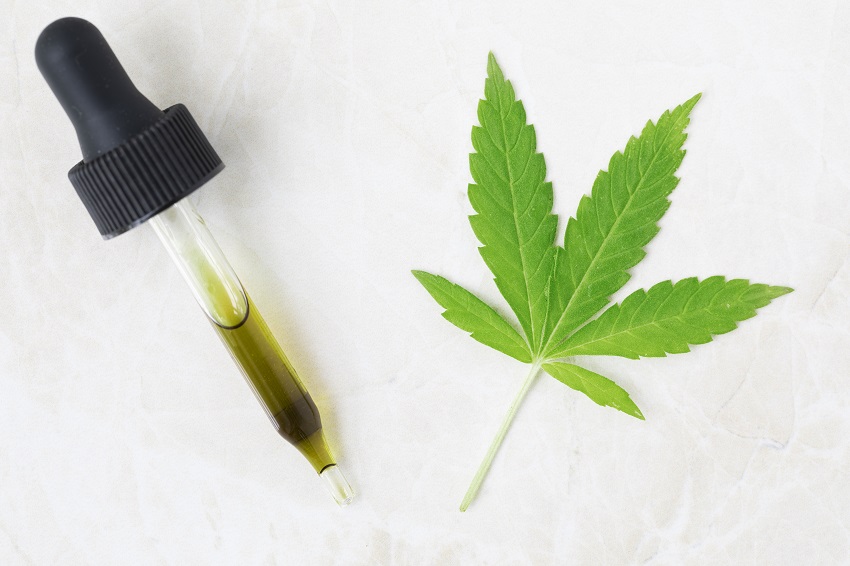
CBD, or cannabidiol, is a naturally occurring compound found in the cannabis plant. Unlike THC (tetrahydrocannabinol), which causes the “high” associated with marijuana, CBD is non-psychoactive. This means you can enjoy its potential benefits without experiencing intoxication.
CBD oil is made by extracting cannabidiol from the hemp plant and infusing it into a carrier oil, such as coconut oil or hemp seed oil. The result is a versatile product that can be taken in various ways, including under the tongue, in food and drinks, or applied topically.
How Does CBD Oil Work in the Body?
CBD interacts with the body’s endocannabinoid system (ECS), a network of receptors that help regulate mood, sleep, pain perception, appetite, and immune function. While CBD doesn’t bind directly to these receptors like THC, it influences them in a way that helps the body maintain balance, or homeostasis.
For beginners, this means that CBD oil may support overall well-being by working with your body’s natural systems rather than overriding them.
Potential Benefits of CBD Oil
While research is still evolving, CBD oil has shown promise in several areas:
- Stress and Anxiety Relief: Many users report feeling calmer and more relaxed after using CBD.
- Pain and Inflammation Support: CBD may help manage discomfort from conditions like arthritis or muscle soreness.
- Better Sleep: By calming the mind and body, CBD oil may support more restful sleep.
- Skin Health: When applied topically, it may help with acne, inflammation, or dryness.
- General Wellness: Some people take CBD daily as part of their overall health routine.
It’s important to note that results vary from person to person, and CBD should not be considered a cure for any medical condition.
Different Types of CBD Oil
Not all CBD oils are the same. Beginners should understand the three main types:
- Full-Spectrum CBD: Contains CBD plus other cannabinoids, including trace amounts of THC (within legal limits, usually less than 0.3%). This creates the “entourage effect,” where compounds work together for enhanced benefits.
- Broad-Spectrum CBD: Similar to full-spectrum but with THC removed, making it a good option for those who want benefits without any THC exposure.
- CBD Isolate: Pure CBD with no other cannabinoids or compounds. This option is best for those who want only CBD without additional plant compounds.
How to Use CBD Oil
For beginners, figuring out how to take CBD oil is just as important as choosing the right product. Common methods include:
- Sublingual (under the tongue): Place a few drops under your tongue and hold for 30–60 seconds before swallowing. This method offers fast absorption.
- Edibles and Capsules: Easy to take but slower to take effect since they pass through digestion.
- Topical Application: Creams, balms, or lotions infused with CBD for targeted relief on the skin or muscles.
- Mixing in Food/Drinks: Convenient but may reduce absorption compared to direct sublingual use.
Choosing a High-Quality CBD Oil
Not all CBD products on the market are created equal. When shopping for CBD oil, beginners should look for:
- Third-Party Lab Testing: Ensures the product is safe, accurately labeled, and free from harmful contaminants.
- Hemp Source: Organically grown hemp is best, as it reduces the risk of pesticide or chemical exposure.
- Extraction Method: CO₂ extraction is considered the cleanest and most effective.
- Transparency: Brands that clearly share their ingredients, sourcing, and lab results are more trustworthy.
Safety and Side Effects
CBD oil is generally considered safe, but beginners should be aware of possible side effects such as:
- Dry mouth
- Drowsiness
- Changes in appetite
- Mild digestive discomfort
It may also interact with certain medications, especially blood thinners. Consulting with a healthcare professional before starting CBD oil is always recommended.
Also Read: Step-by-Step Guide: Integrating CBD Oil Into Your Daily Routine
Conclusion
For beginners, CBD oil can be an exciting addition to a wellness routine, offering potential support for stress relief, sleep, pain, and overall balance. The key is to start small, choose high-quality products, and listen to your body. With the right approach, CBD oil can become a safe and beneficial tool for enhancing everyday well-being.