
Choosing the right CBD oil can be overwhelming, especially when brands are constantly highlighting terms like “organic,” “pure,” “non-GMO,” and “lab-tested.” One of the biggest questions buyers ask is whether organic CBD oil is genuinely better than non-organic—or if it’s just expensive marketing.
Understanding the difference helps you choose the right product based on quality, safety, and value. This guide breaks down what sets organic CBD apart, how non-organic oils are made, and whether the higher price tag is worth it for you.
What Makes CBD Oil ‘Organic’?
Before comparing organic and non-organic CBD oils, it’s important to understand what “organic” actually means in the CBD industry. Many consumers assume that organic simply refers to chemical-free farming, but it goes much deeper than that.
Organic CBD oil comes from hemp plants grown without synthetic pesticides, herbicides, genetically modified seeds, or artificial fertilizers. The soil must also be free from contaminants, and farmers must follow strict guidelines that protect the environment and preserve natural biodiversity.
Certified Organic vs. Just ‘Organic’ Claims
Not all CBD oils labeled as organic are truly certified. Certification requires third-party verification by organizations such as USDA Organic or equivalent national bodies.
Some brands use terms like “organically grown” without proof, so always look for certification seals and lab reports before purchasing.
How Non-Organic CBD Oil Is Produced
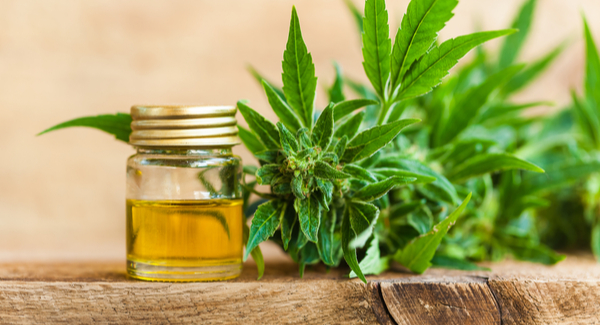
Non-organic CBD oil may still be high-quality, but the farming standards are not as strict. These hemp plants can be grown using synthetic fertilizers, chemical pesticides, and herbicides that help farmers grow larger crops at lower costs.
Potential Risks of Non-Organic Farming Methods
The main concerns with non-organic CBD oil come from residue and environmental impact. Hemp is a bioaccumulator, meaning it absorbs everything from the soil—nutrients, toxins, heavy metals, and chemicals.
If the soil contains contaminants, these can end up in the final CBD oil unless the manufacturer conducts thorough purification and testing.
Why Organic Farming Matters for CBD Oil Quality
Organic farming doesn’t just protect the environment—it can improve the quality of the CBD oil itself. This is especially important because CBD is used for wellness, and consumers want the purest product possible.
Cleaner Soil, Cleaner Oil
Organic hemp is grown in soil free from harmful chemicals, resulting in a cleaner extract. Many users report that organic CBD feels smoother and more natural due to fewer impurities.
Better Terpene and Cannabinoid Profiles
Healthier soil often produces stronger terpene and cannabinoid profiles. This can enhance the entourage effect, potentially making organic CBD oil more effective for:
- Stress relief
- Sleep support
- Pain management
- General wellness
A richer terpene profile can also improve flavor and aroma without artificial additives.
Price Comparison: Why Organic CBD Oil Costs More
One of the biggest differences between organic and non-organic CBD oil is the price. Organic CBD typically costs 20–40% more than conventional options.
What Makes Organic CBD More Expensive?
There are several factors that increase its cost:
- Organic farming requires more labour
- Certified organic seeds cost more
- Soil maintenance involves stricter standards
- Certification and audits are expensive
- Organic pesticides are more costly than chemical ones
All these factors contribute to a higher retail price. But does a higher price equal better value? That depends on your priorities.
Is Organic CBD Oil More Effective?
While organic CBD oil may be cleaner and richer in natural compounds, its effectiveness depends on several factors.
For many people, the difference in effects between organic and non-organic CBD is subtle. Both can work well if produced by reputable brands with transparent lab reports.
Effectiveness Depends on More Than Just Organic Status
Key factors include:
- Extraction method (CO2 extraction is ideal)
- Strength and potency
- Full-spectrum vs broad-spectrum
- Third-party lab testing
- Freshness and storage
Even non-organic CBD oils can be high-quality if produced with care and independently tested.
Health Benefits: Are There Any Differences?
Organic CBD oil may be safer for long-term use due to reduced exposure to synthetic chemicals.
While non-organic CBD oil is generally safe when properly processed, some buyers prefer organic because:
- It reduces the risk of ingesting pesticide residue
- It may offer cleaner cannabinoid content
- It’s better for people with chemical sensitivities
However, no scientific evidence proves that organic CBD oil is significantly more effective in treating specific conditions.
Environmental Impact: Organic vs Non-Organic Farming
If sustainability is important to you, organic CBD oil is the clear winner. Organic farming promotes soil health, reduces pollution, and protects ecosystems.
Non-organic farming can be more harmful to the environment due to the use of synthetic fertilizers and herbicides, which can affect local water and soil quality.
Why Eco-Conscious Buyers Prefer Organic CBD
People who choose eco-friendly products often prefer organic CBD because it aligns with sustainable lifestyle choices. The reduced environmental footprint is a major advantage.
How to Choose the Right CBD Oil for Your Needs
With both organic and non-organic options on the market, choosing the right one depends on your priorities.
If you prioritize purity, sustainability, and cleaner farming, organic CBD oil is likely worth the extra cost. If you want an affordable option without compromising quality, a reputable non-organic brand with strong lab testing can still be a good choice.
Key Things to Look For When Buying CBD Oil
Regardless of organic status, always check for:
- Third-party lab reports
- Clear ingredient lists
- CO2 extraction methods
- Reputable customer reviews
- Transparency about farming and production
These factors matter just as much as the organic label.
So, Which CBD Oil Is Worth Your Money?
Ultimately, the choice between organic and non-organic CBD oil comes down to what matters most to you.
Choose organic CBD oil if you want the cleanest, most natural option and don’t mind paying more for purity and sustainability.
Choose non-organic CBD oil if you prefer affordability but still want effectiveness from a reputable, lab-tested product.
Both can offer great results when chosen carefully.
Read Also: CBD Oil for Beginners: Everything You Need to Know Before Trying It
Conclusion
Choosing between organic and non-organic CBD oil ultimately depends on what you value most—purity, sustainability, or affordability. Organic CBD oil offers cleaner farming practices, richer natural compounds, and fewer chemical residues, making it an appealing choice for wellness-focused users who want the most natural product available. However, high-quality non-organic CBD oils can still be safe, effective, and budget-friendly when they come from reputable brands with transparent third-party lab testing.
Both types can deliver the benefits people seek from CBD, whether for relaxation, sleep, stress relief, or overall wellness. By understanding the differences and knowing what to look for on a label, you can confidently choose the CBD oil that best fits your needs and offers the greatest value for your money.